Notes on photographing the Milky Way
What actually made a difference after a few years of night skies in the north: timing, darkness, focus, foregrounds and a warm flask.
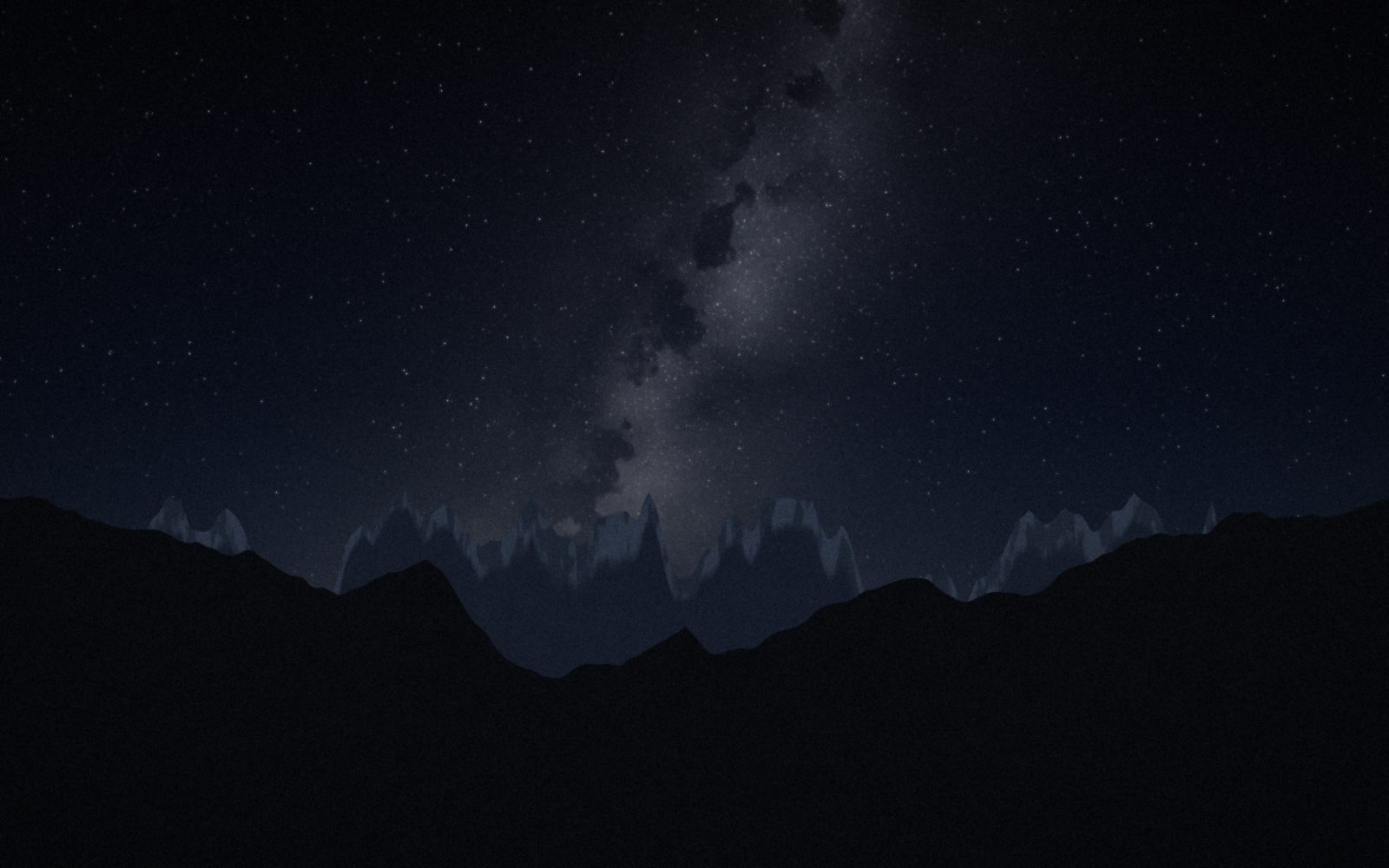
After a few years of chasing night skies in the north, I get asked fairly often how I photograph the Milky Way. This is not a definitive guide, just the things that made the biggest difference for me, written down now that the autumn darkness is coming back and I am itching to go out again.
Timing comes first. At our latitude the summer nights are simply too bright; from roughly May to early August there is no real darkness at all. The season starts again in late August, and September and October are wonderful: the nights are long but not yet bitterly cold, and the brightest part of the Milky Way is still visible low in the south-west in the early evening. Check the moon, too. Even a half moon washes out most of the faint detail.
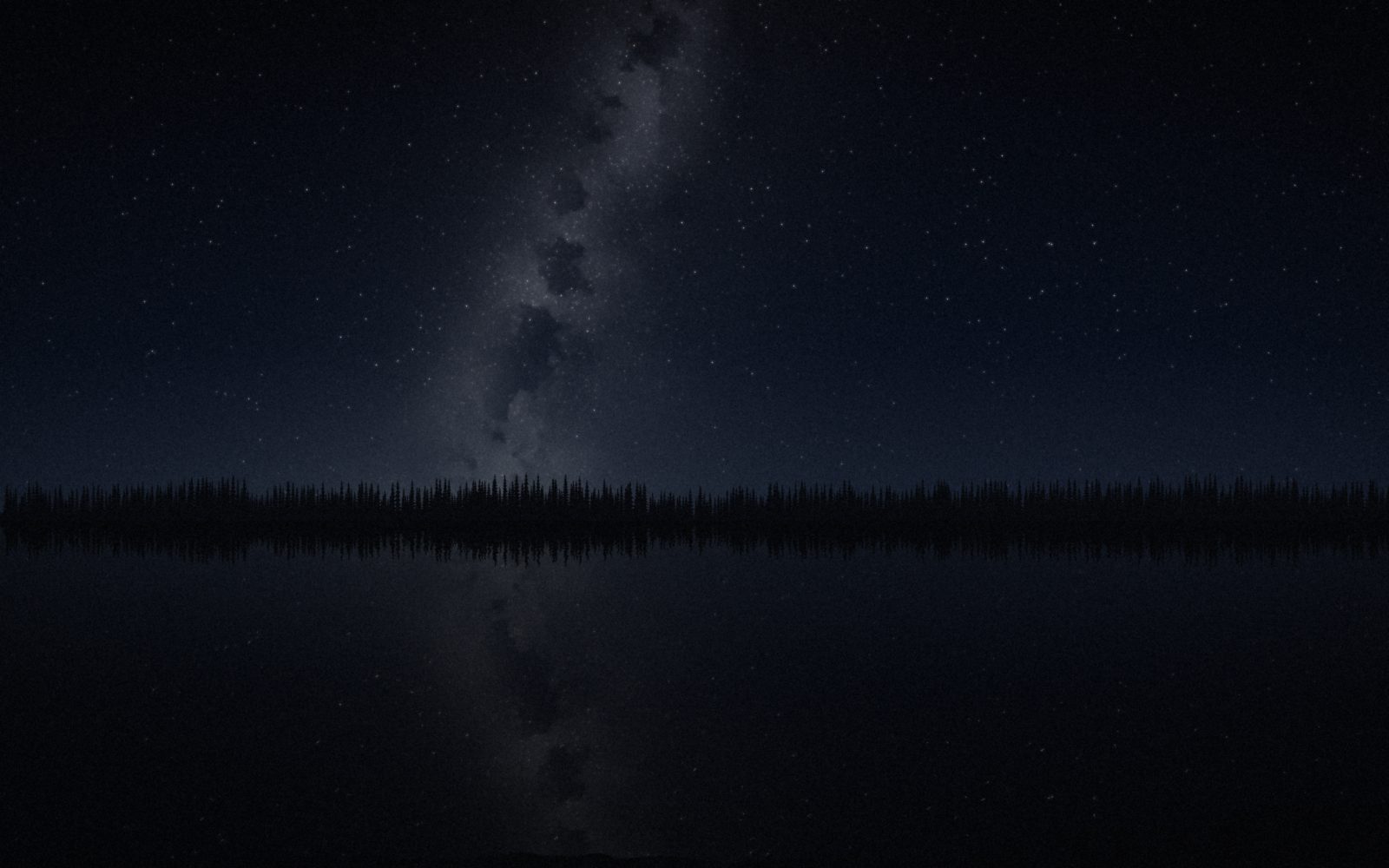
Location matters more than equipment. Light from a town is visible as a dome of orange glow from tens of kilometres away, so I look for places at least an hour from anything bigger than a village, with an open view to the south. Lakes are a bonus: on a still night the water doubles the sky.
For settings, I start with the widest aperture my lens allows, f/2.8 on my usual wide-angle, an ISO between 1600 and 3200, and an exposure of 15 to 20 seconds. Much longer than that and the stars start to trail visibly because of the Earth's rotation. Focus is the fiddly part. Autofocus is useless in the dark, so I switch to manual, magnify the live view on the brightest star I can find, and turn the ring until it is as small a point as possible. Then I put a strip of tape over the ring so I don't knock it.
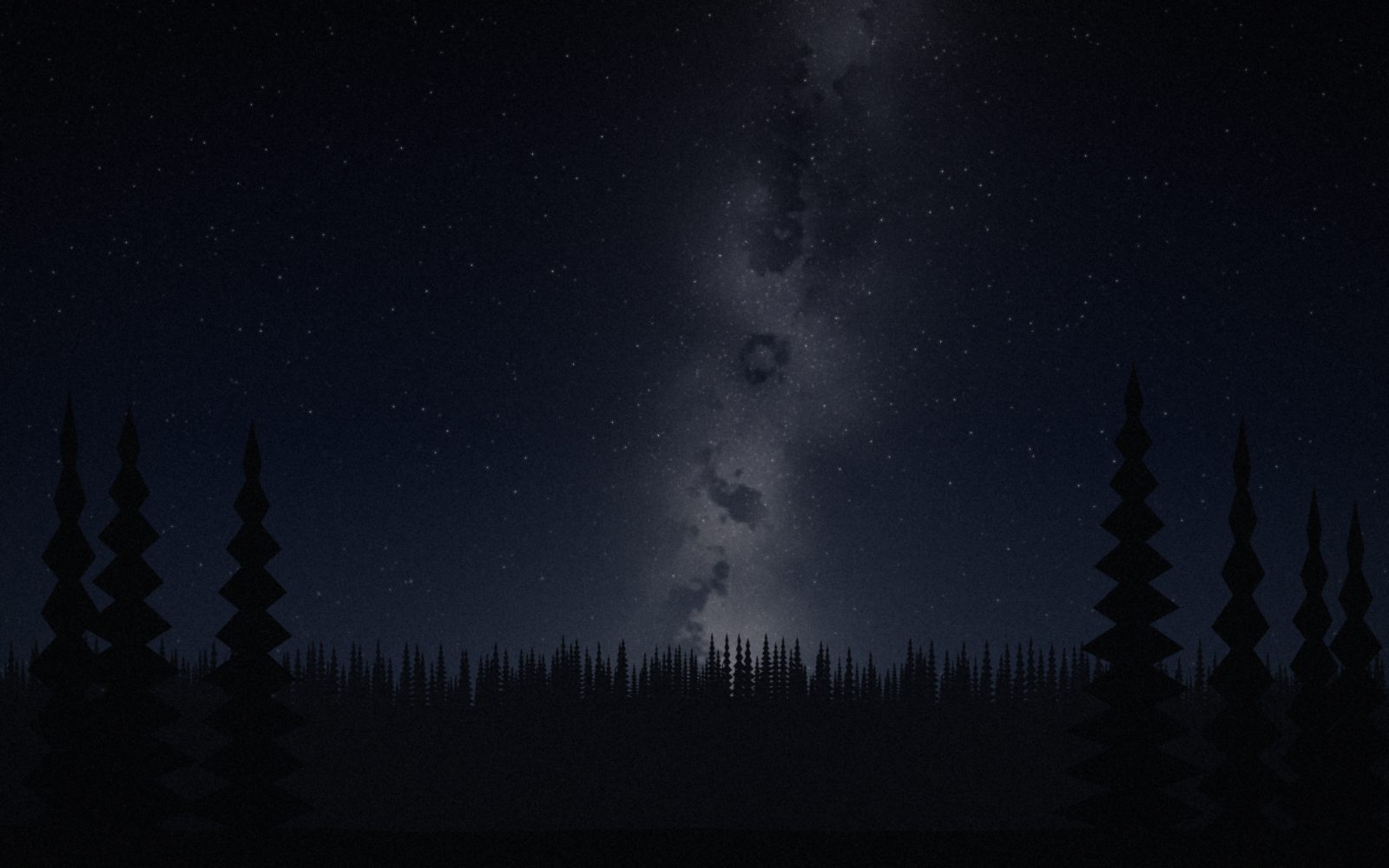
Foregrounds make the picture. A sky full of stars on its own is pretty but anonymous; add a line of trees, a ridge or a cabin and suddenly it is a place. I often take a separate, longer exposure of the foreground during blue hour, before it gets fully dark, and blend the two later. It is a common technique and I am not secretive about it; the alternative is a very noisy, very black foreground.
Finally, comfort. You will spend a lot of time standing still in the dark. Warm boots, a flask, a red headlamp that won't ruin your night vision, and a folding chair if you can carry one. Some of my best nights have been the ones where I set up the camera, started an interval timer, and simply sat and watched the sky turn.
Clear skies, and see you out there.