A lighthouse at the end of the road
Four hours of January daylight, a gravel track along the sea and a small lighthouse that switched on just as the colour faded.
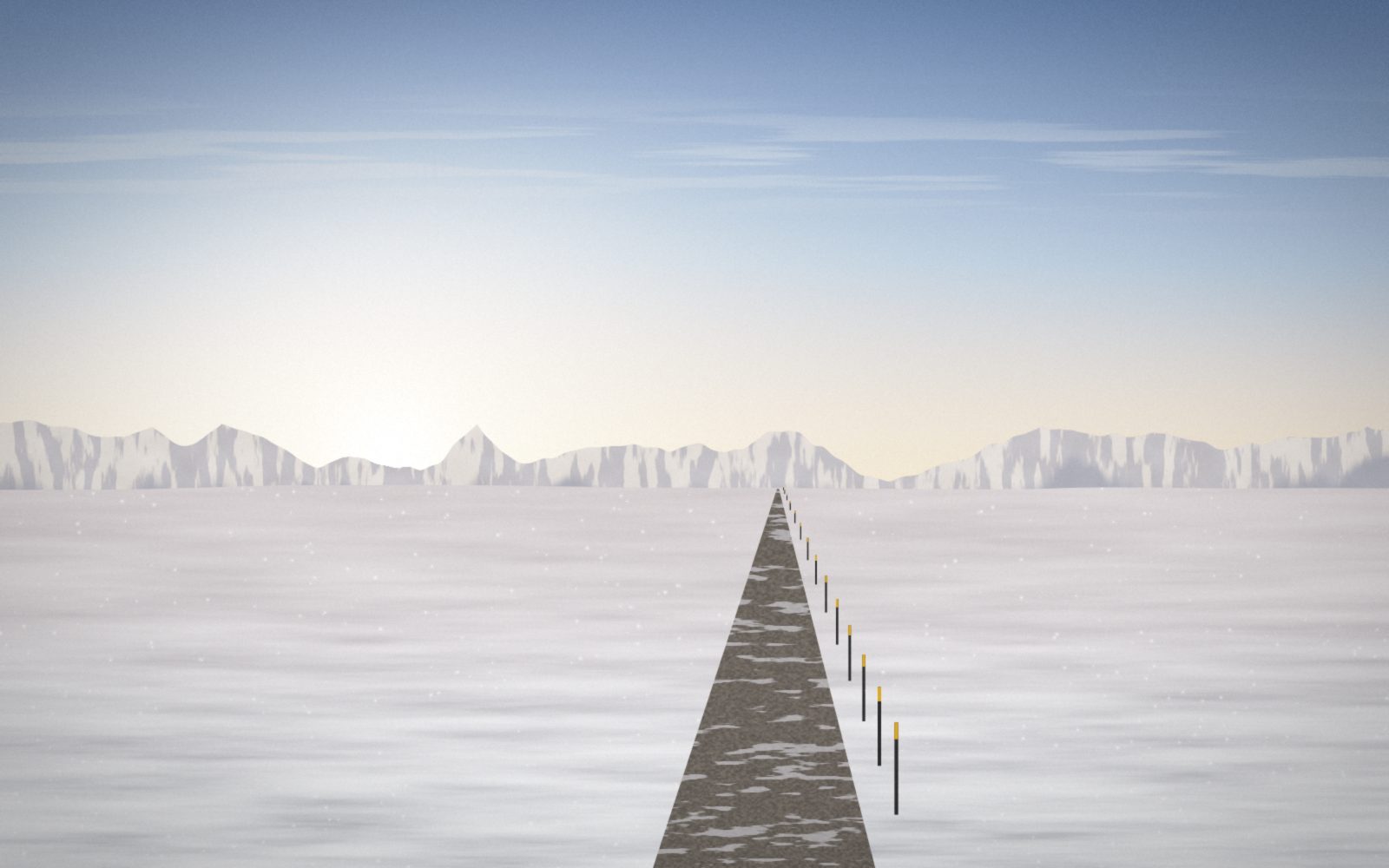
The road to the lighthouse runs for its last twenty kilometres as a gravel track between lava fields and the sea. In January there is no traffic at all. I drove it slowly, in the four or so hours of daylight the north of Iceland gets at that time of year, with the low sun skimming the snow and the heater on full.
I had seen a single photograph of this lighthouse years ago, a small striped tower on a dark rock just off the coast, and had wanted to stand in front of it ever since. It turns out to be smaller than I imagined and far more exposed. There is no shelter on the headland opposite, just basalt, a few patches of grass under the snow and the constant sound of the swell breaking below.
I arrived about an hour before sunset and walked along the cliffs to find a composition. The rocks are sharp and slippery with spray, and the waves here are serious: every few minutes a bigger set comes in and throws water a long way up the rocks. I kept well back, used a longer lens, and accepted a slightly less dramatic angle in exchange for staying dry.
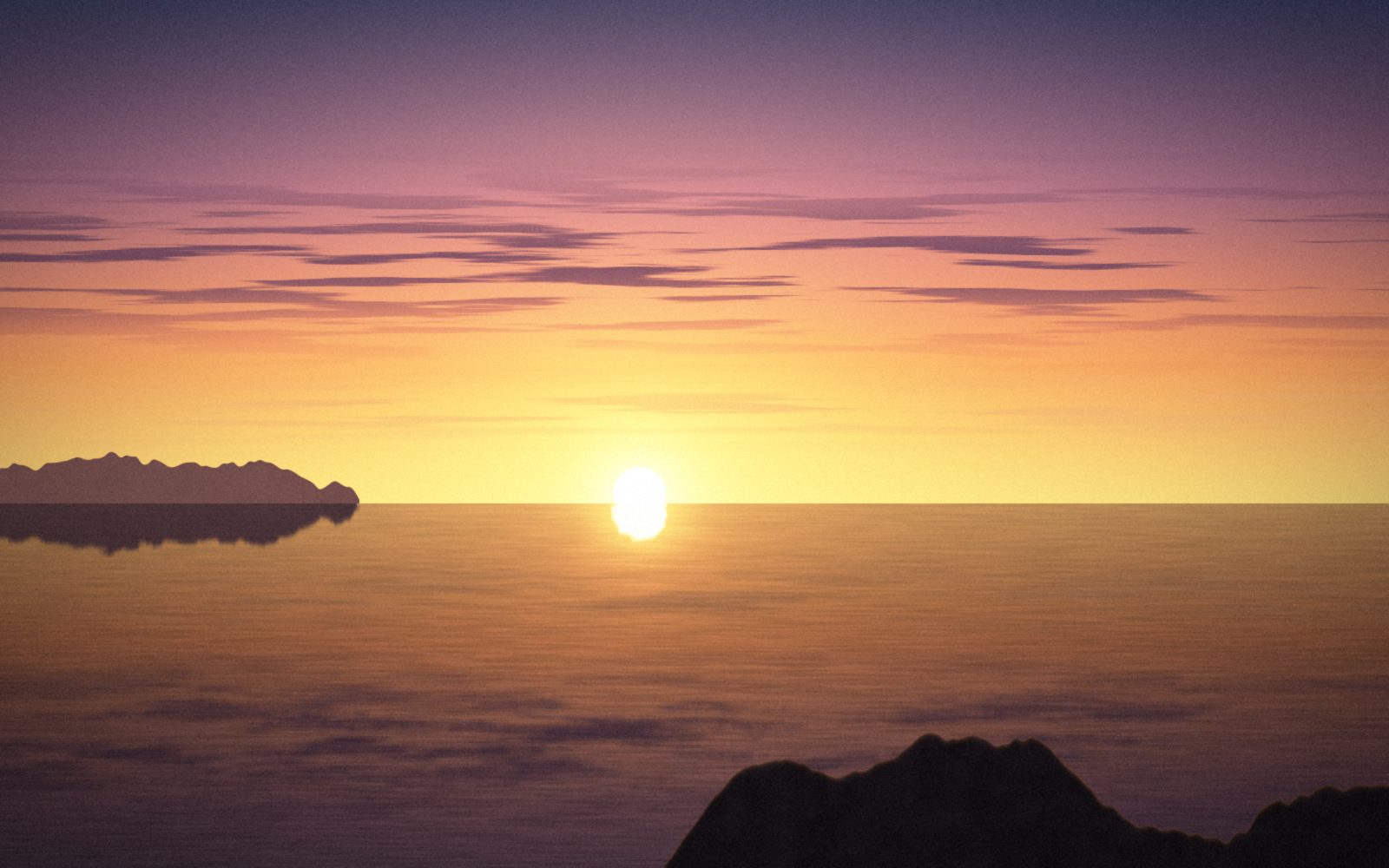
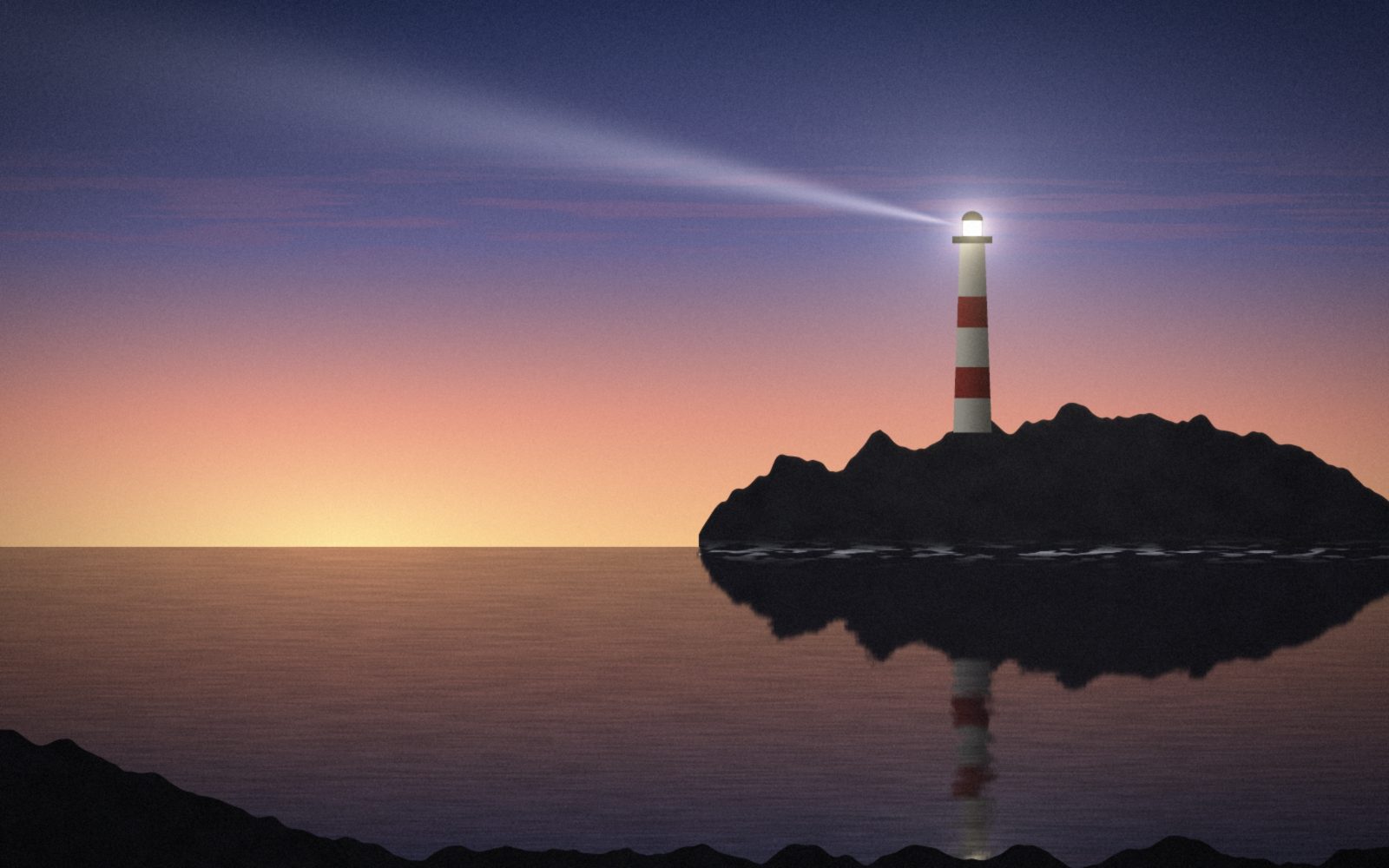
The sunset itself was brief and intense. The sky went orange, the sea turned to hammered copper, and for about ten minutes everything glowed. Then the colour drained away and the lighthouse switched on. Its beam swept out over the water every few seconds, and against the dusk sky it looked exactly the way I had hoped it would.
I had planned to drive back after dark, but the aurora forecast was good, the sky was clearing and I had a thermos and a sleeping bag in the car. So I stayed.
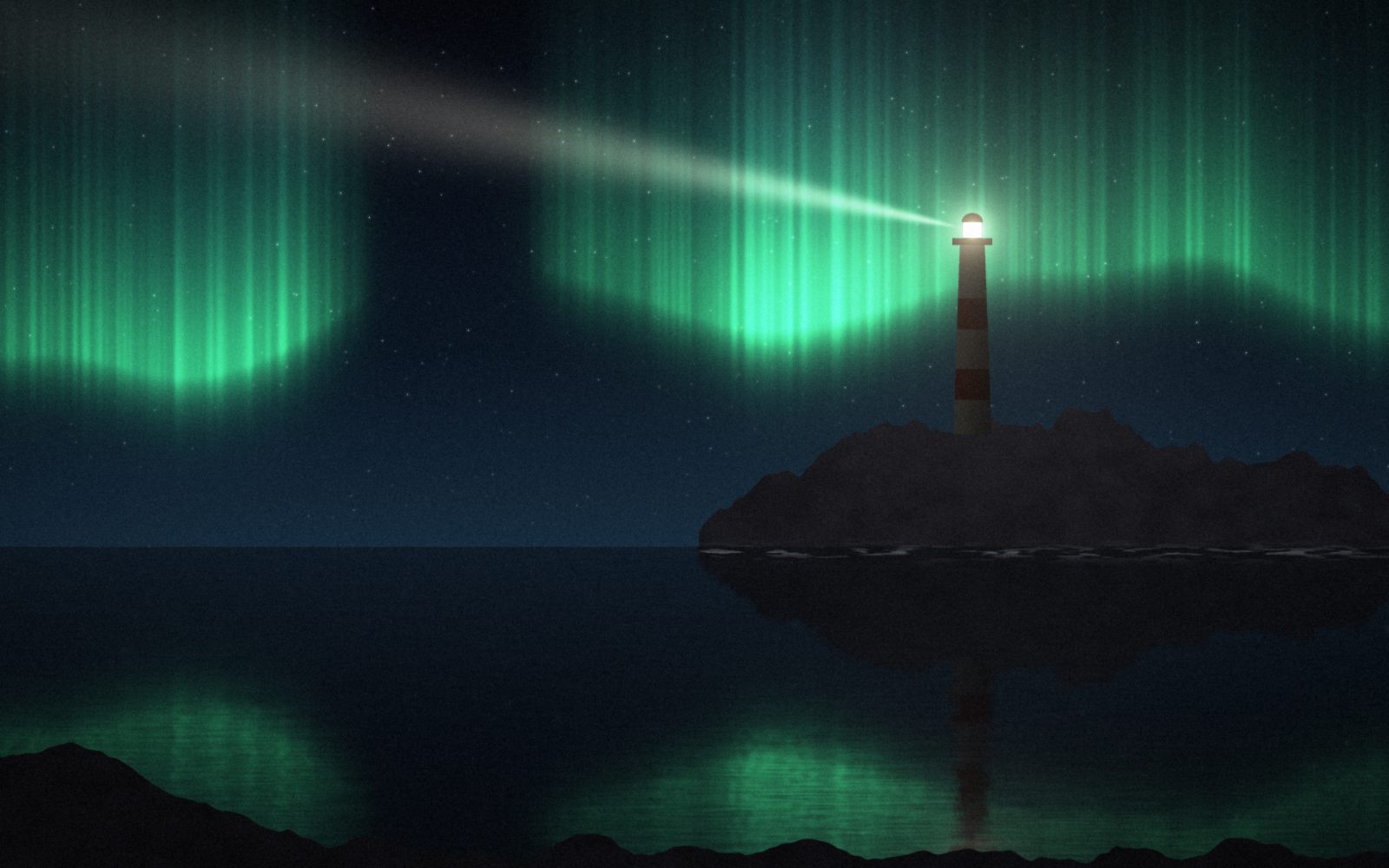
Around ten, bands of green rose out of the north and spread across the sky behind the tower. It was not a spectacular display by Icelandic standards, mostly steady curtains with the occasional pulse, but the combination of the lighthouse beam, the aurora and the sound of the sea in the dark is one I won't forget. I worked with exposures of eight to ten seconds so the beam stayed a clean line rather than a wide fan.
The cold was the hardest part. Wind chill on an exposed headland at night is no joke, and I retreated to the car every twenty minutes to warm my hands. By one in the morning the aurora had faded, and I fell asleep in the driver's seat, waking at dawn with frost on the inside of the windows.
I would go back tomorrow.