First night under the aurora
Three cloudy evenings, then a pale grey arch that turned into the most extraordinary two hours I have spent outdoors.
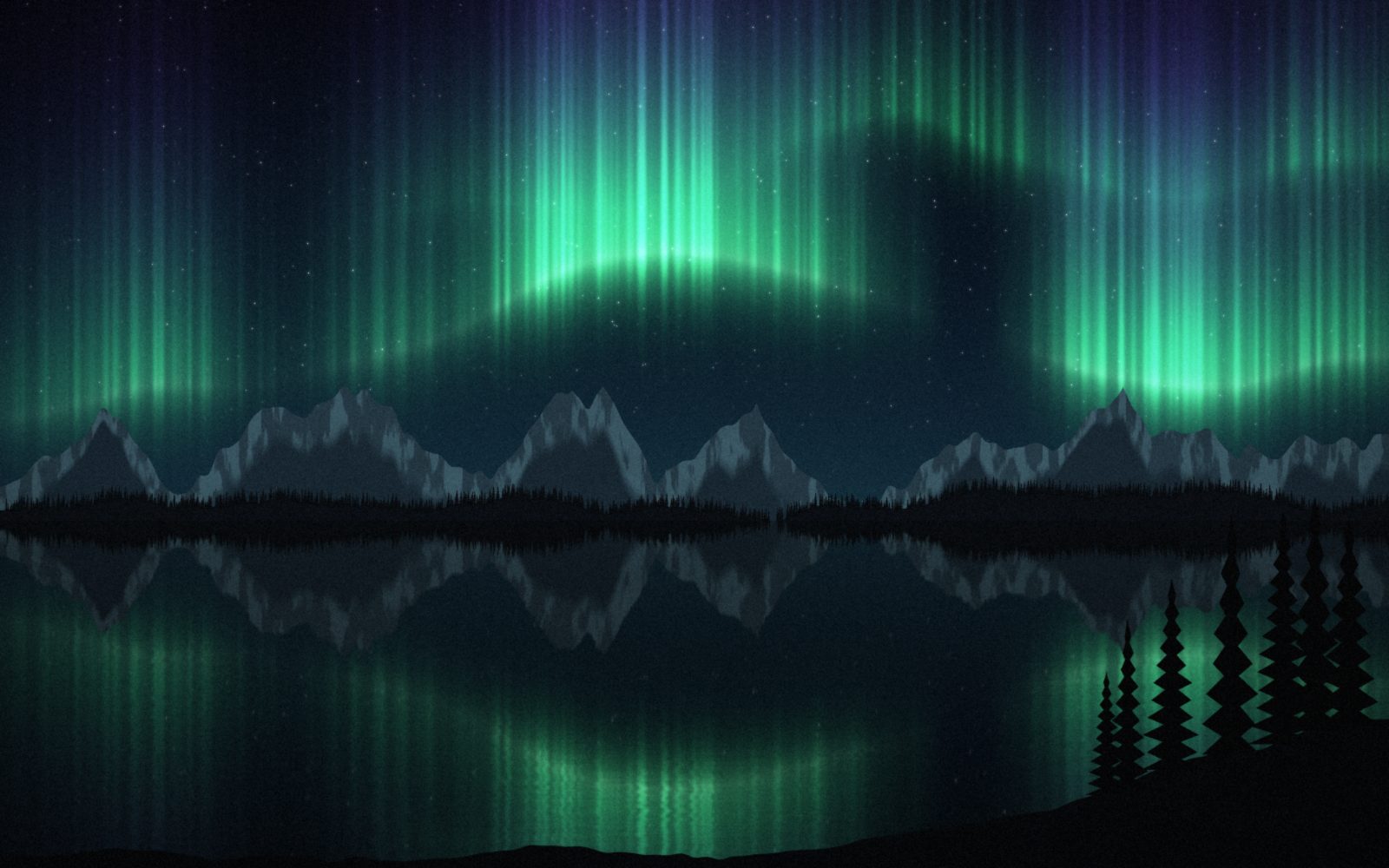
I have been told many times that the first aurora you see is never the one you expected. Mine started as a pale grey arch low in the north, so faint I thought it was a thin cloud catching light from a distant town. Only when I took a test exposure and saw it come up bright green on the back of the camera did I realise what I was looking at.
This was my third evening in Abisko, a small place on the edge of a national park in the far north of Sweden. The area has a reputation for clear skies: the mountains to the west catch most of the weather rolling in from the Atlantic, leaving a patch of calmer air over the long lake. The first two nights were cloudy anyway. On the third the cloud broke around nine, and I walked down to the shore with a headtorch, a tripod and far too many layers.
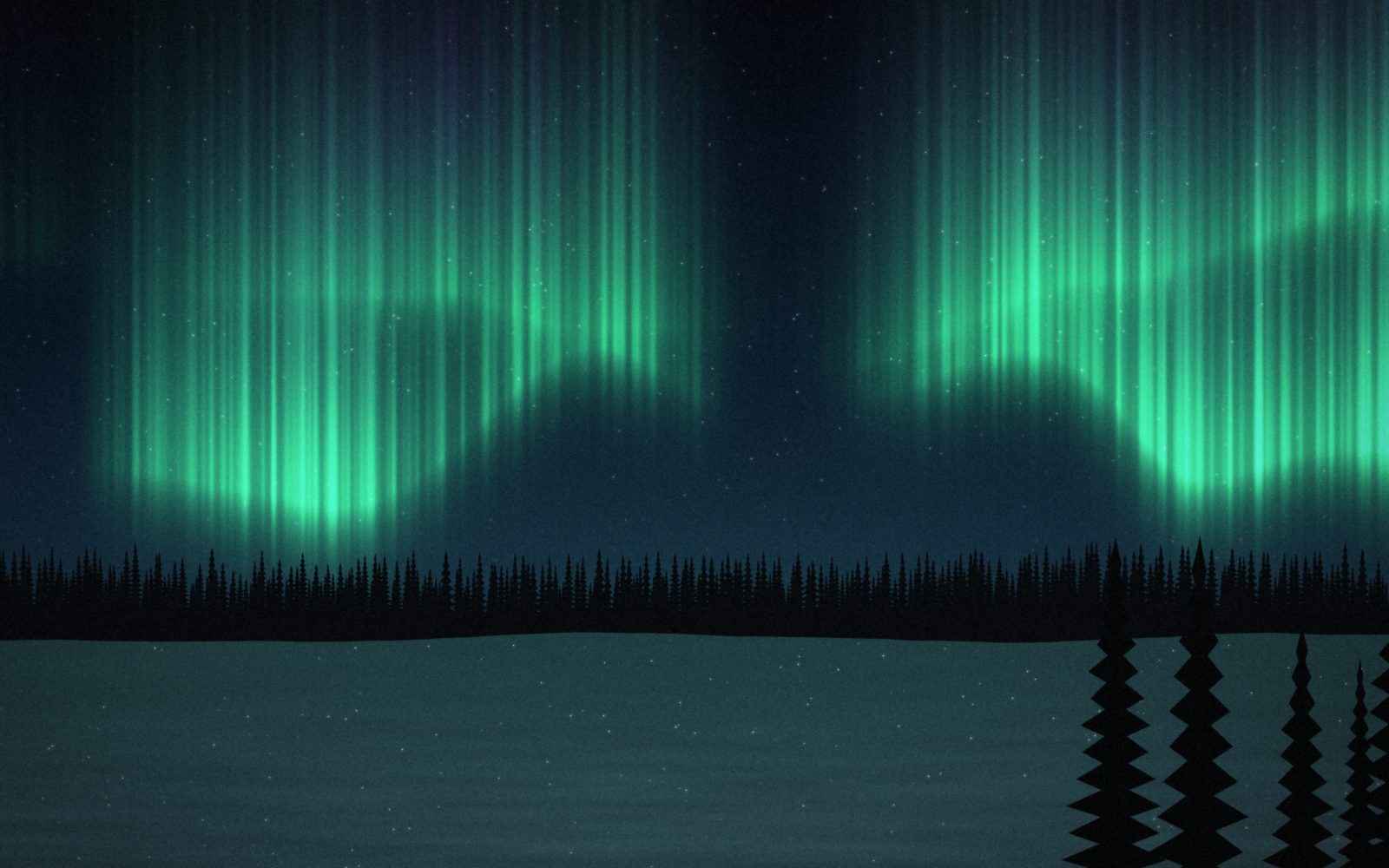
For an hour nothing much happened. The arch brightened, faded and drifted slowly south. Then, a little after eleven, it began to move. Curtains folded and unfolded over the lake, rays shot upwards, and the green deepened into something that looked almost solid. The lower edge picked up a fringe of pink. I stopped worrying about composition and just kept the shutter going.
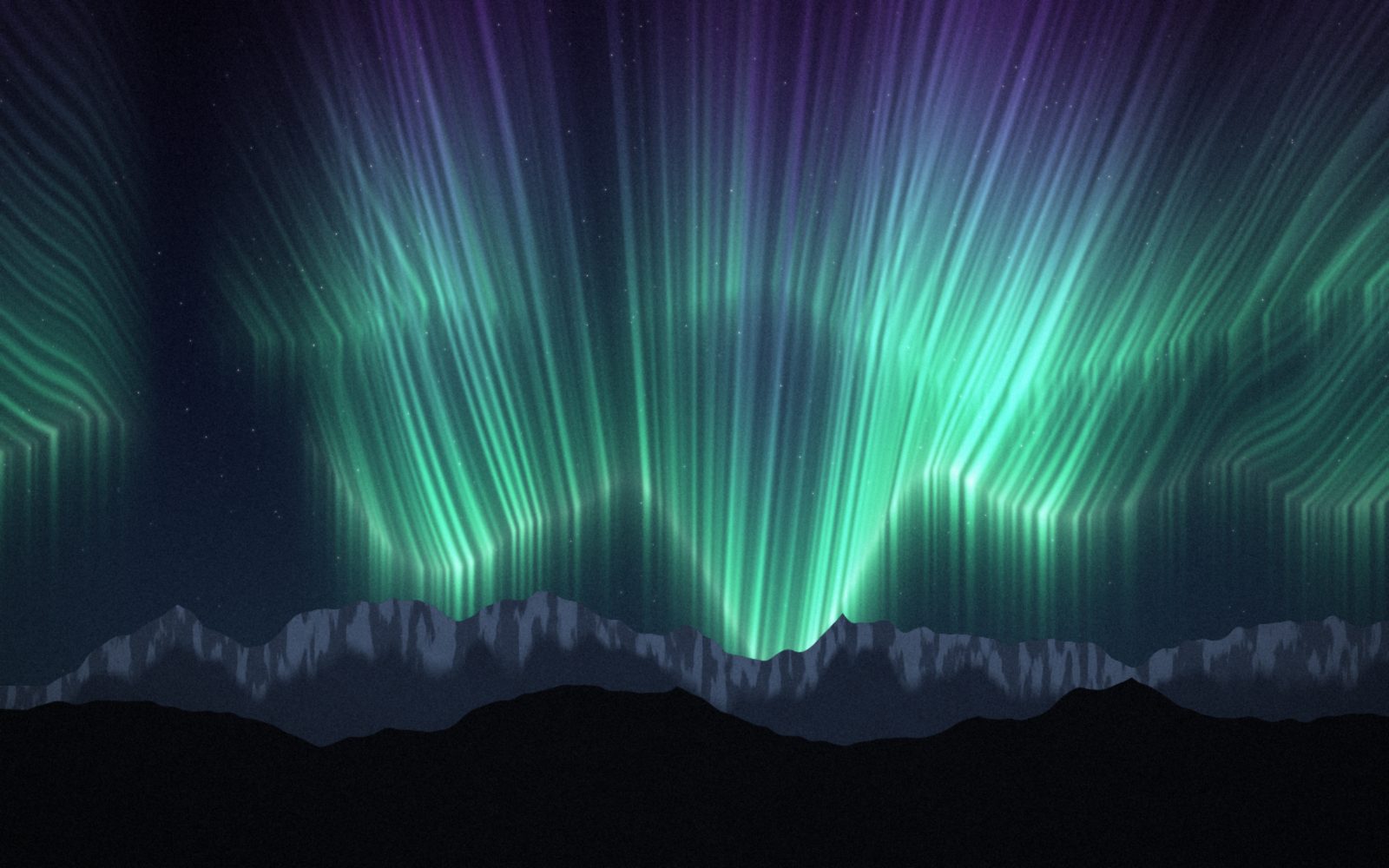
At the peak the aurora was directly overhead, and the rays seemed to converge at a single point above me, what people call a corona. It lasted perhaps two minutes. The colours up there were different: violet, and a faint crimson at the very top, where the light comes from higher in the atmosphere. My exposures were down to two seconds by then, and even that was enough to blur the fastest movement.
A few things I learned that night. Keep the exposure short when the display is active; fifteen seconds is fine for a quiet arch, but a dancing curtain turns into a green smear. Focus on a bright star before the show starts and tape the focus ring. And look up from the camera now and then. I nearly missed the best minute of the night because I was checking a histogram.
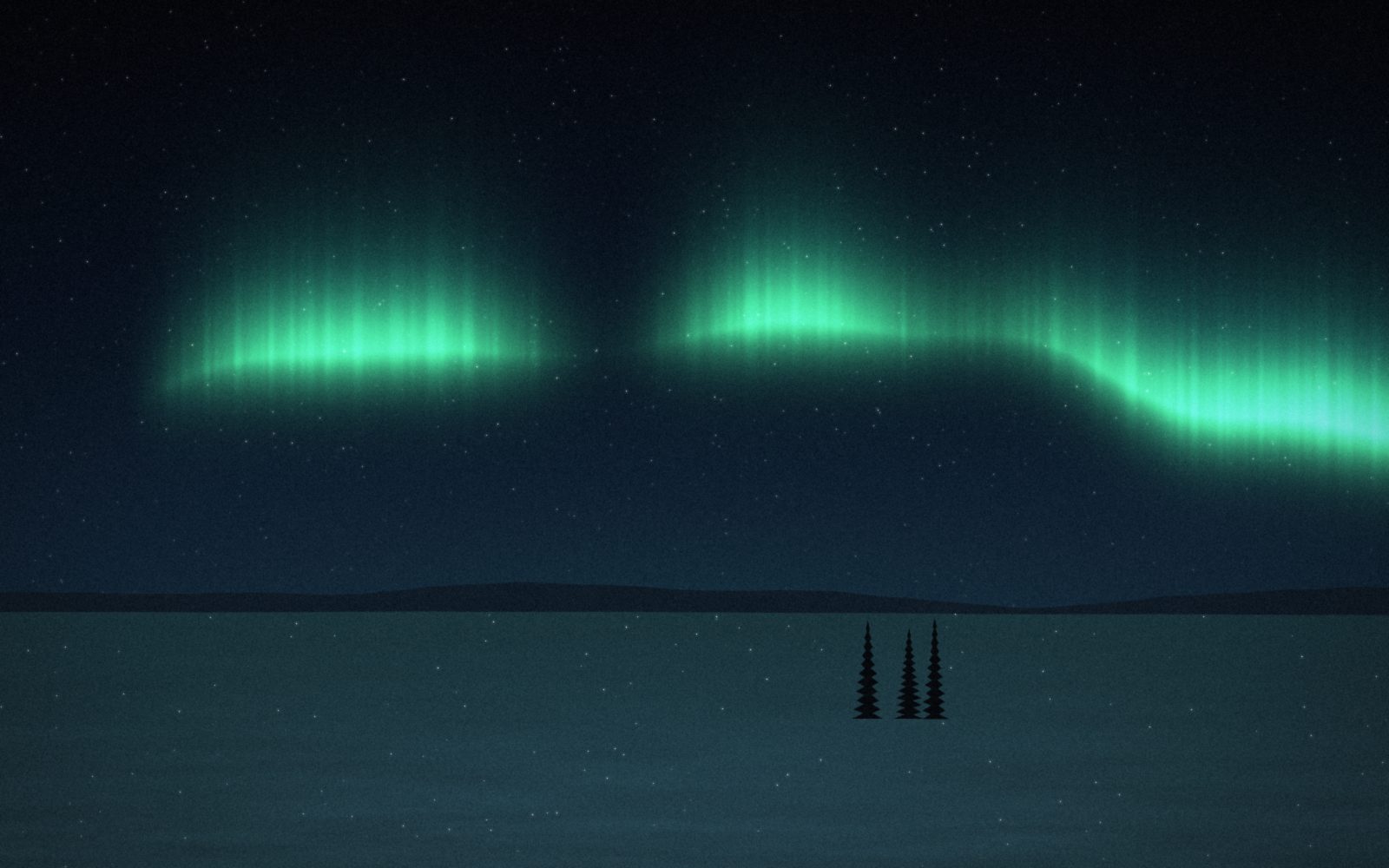
By one in the morning it had settled back into long, quiet bands across the sky, from one end of the frozen lake to the other. I stood there until my toes stopped answering, then walked back to the hostel with the strange, slightly giddy feeling of having finally seen something I'd been reading about for years.
I went out again on each of the following two nights and saw nothing at all. I don't mind. The first one was enough.