Blue hour on the fjord
Five slow days at the inner end of a Norwegian fjord, waiting for the ten minutes when the sky and the windows are equally bright.
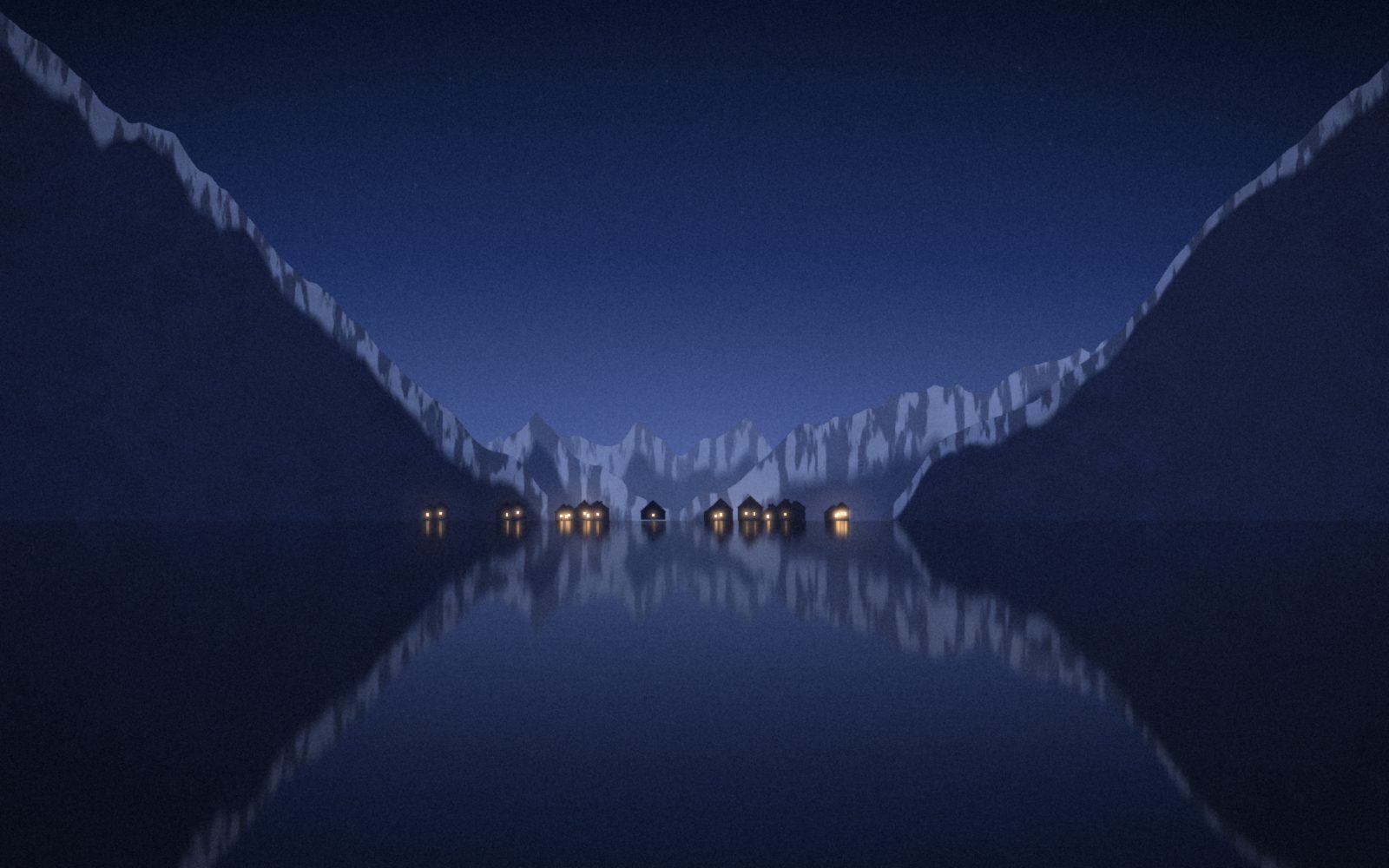
In late April the western fjords of Norway are in an in-between season. The valleys are green at the bottom and still white at the top, the waterfalls are swelling with the first meltwater, and the evenings stretch on for hours. Blue hour, the long stretch of twilight after sunset when the sky turns a deep and even blue, can last well over an hour at this latitude, which makes it the most forgiving time of day for a slow photographer like me.
I spent five days in a rented cabin at the inner end of a long, narrow fjord. The walls rise almost straight out of the water, close to a thousand metres in places, and the village at the bottom is little more than a ferry quay, a handful of farms and a row of red boathouses.
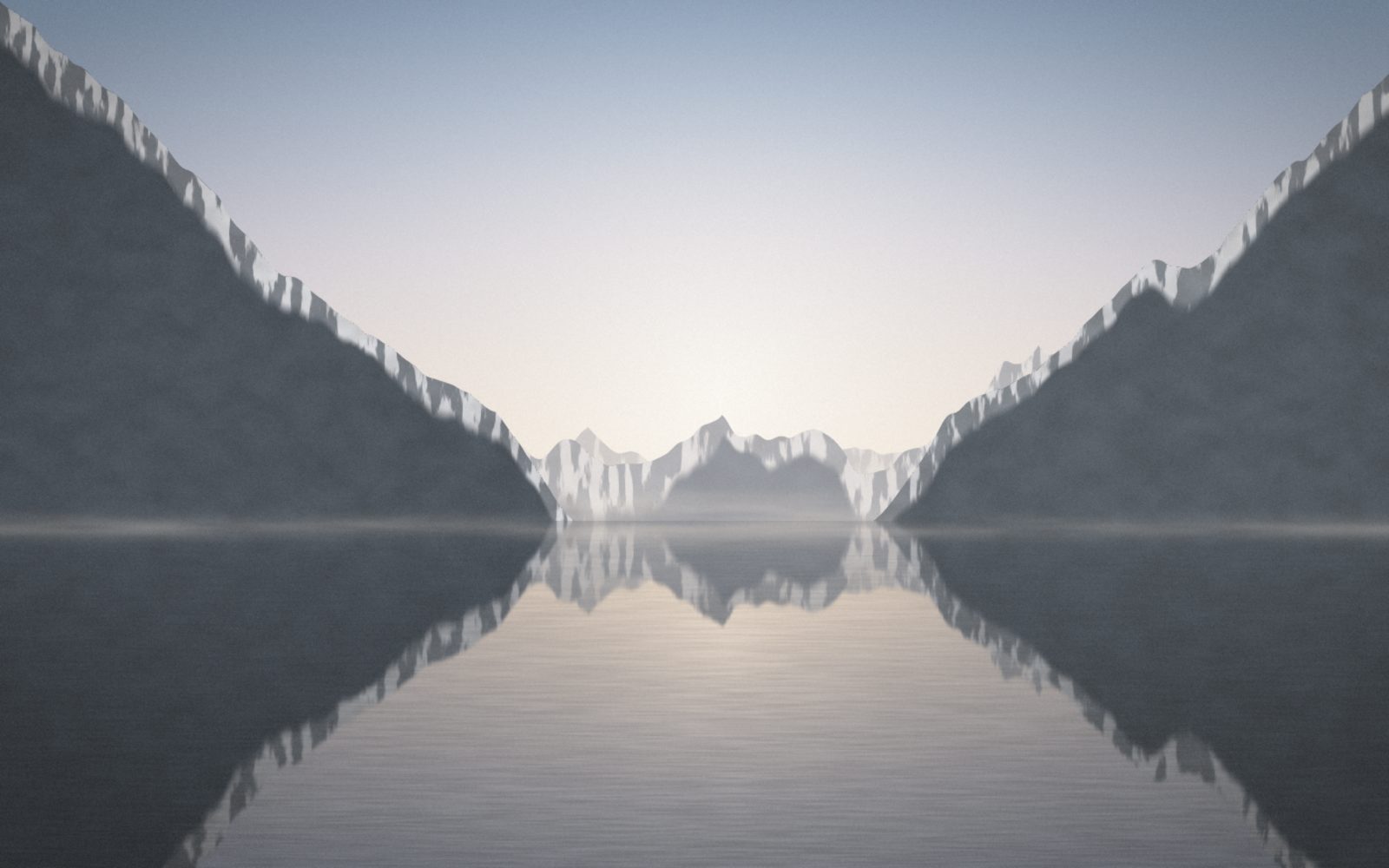
The mornings were soft and hazy. Mist sat on the water until about nine, and the far end of the fjord dissolved into layers of grey-blue, each ridge a little paler than the one in front of it. On calm days the surface was a perfect mirror. I would take coffee down to the jetty, sit on an upturned boat and wait for the mist to lift, and most mornings I took more notes than photographs.
Evenings were where I worked. Once the sun dropped behind the western wall, the whole fjord went into shadow while the sky above stayed bright. Over the next half hour the light faded evenly, the contrast between land and sky shrank, and lights began to appear along the shore: first the quay, then the farms, then a single window high up on the hillside.
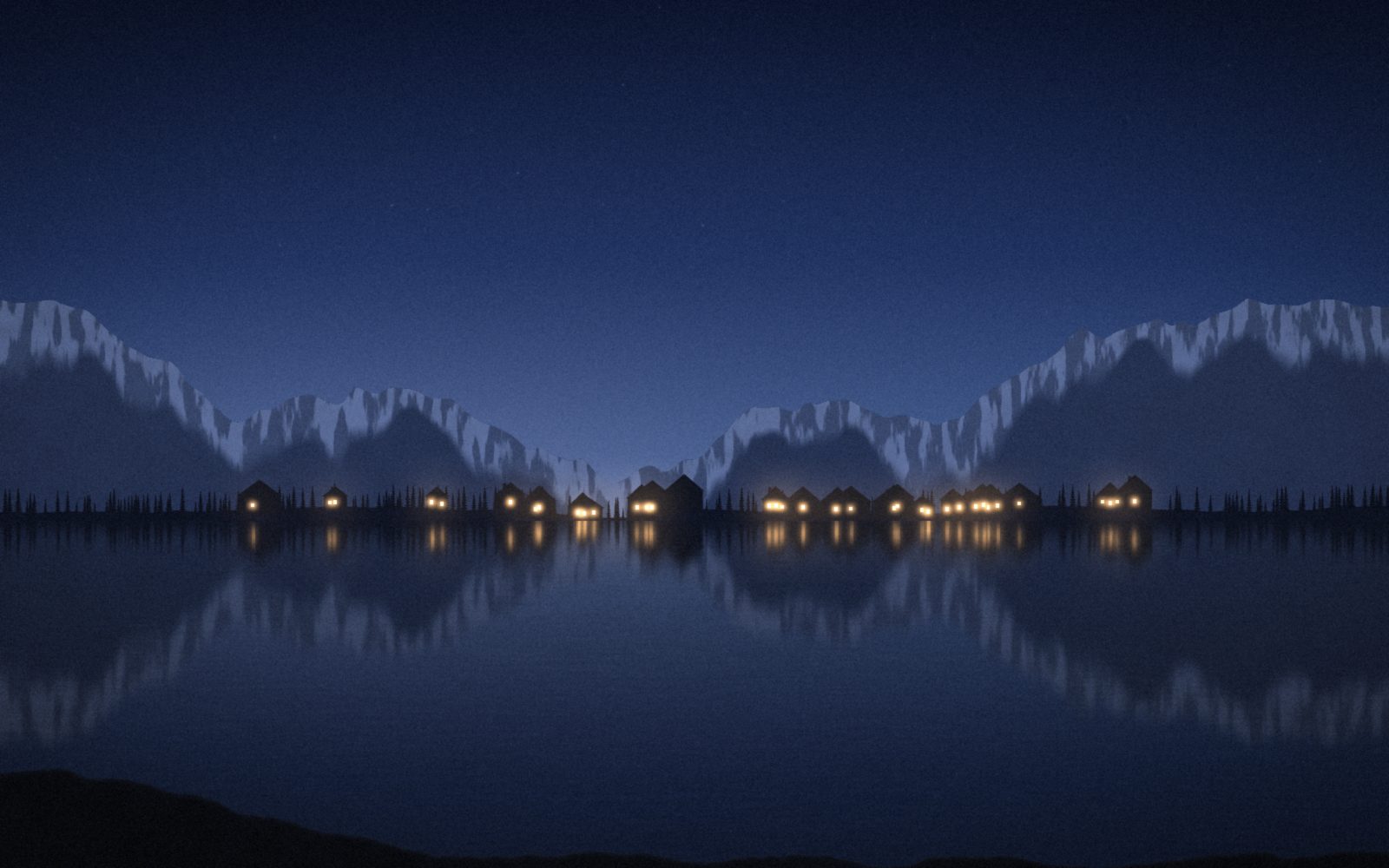
The trick with blue hour is patience. Too early and the sky is still much brighter than everything else; too late and it goes black and the scene loses its shape. The sweet spot is short, maybe ten minutes, when the sky and the lit windows have roughly the same brightness. I found it helped to take a frame every couple of minutes and compare them later, rather than trying to guess the moment.
Wind is the other problem. A breath of air on the water breaks the reflections into long streaks. Sometimes that is lovely, especially with warm lights stretching towards the camera, but if you want the mirror you have to wait for the lull, which usually comes just after the sun goes down.
On the last evening the fjord was completely still. I made one long exposure from the end of the jetty, thirty seconds, and watched the ferry's wake slowly flatten out while the shutter was open. It's the photo at the top of this post. I still think about how quiet it was.